
The Unsung Heroes of Successful Drilling Operations
In the oil and gas industry, drilling success depends on much more than advanced drilling rigs and skilled personnel. Behind every efficient drilling operation is a carefully selected blend of drilling chemicals that ensures safety, operational efficiency, and cost-effectiveness. These chemicals play a vital role in maintaining drilling fluid properties, protecting equipment, stabilizing the wellbore, and improving the overall performance of drilling operations.
Whether drilling onshore or offshore, selecting the right drilling chemicals can significantly reduce non-productive time (NPT), minimize equipment wear, and improve well productivity.
What Are Drilling Chemicals?
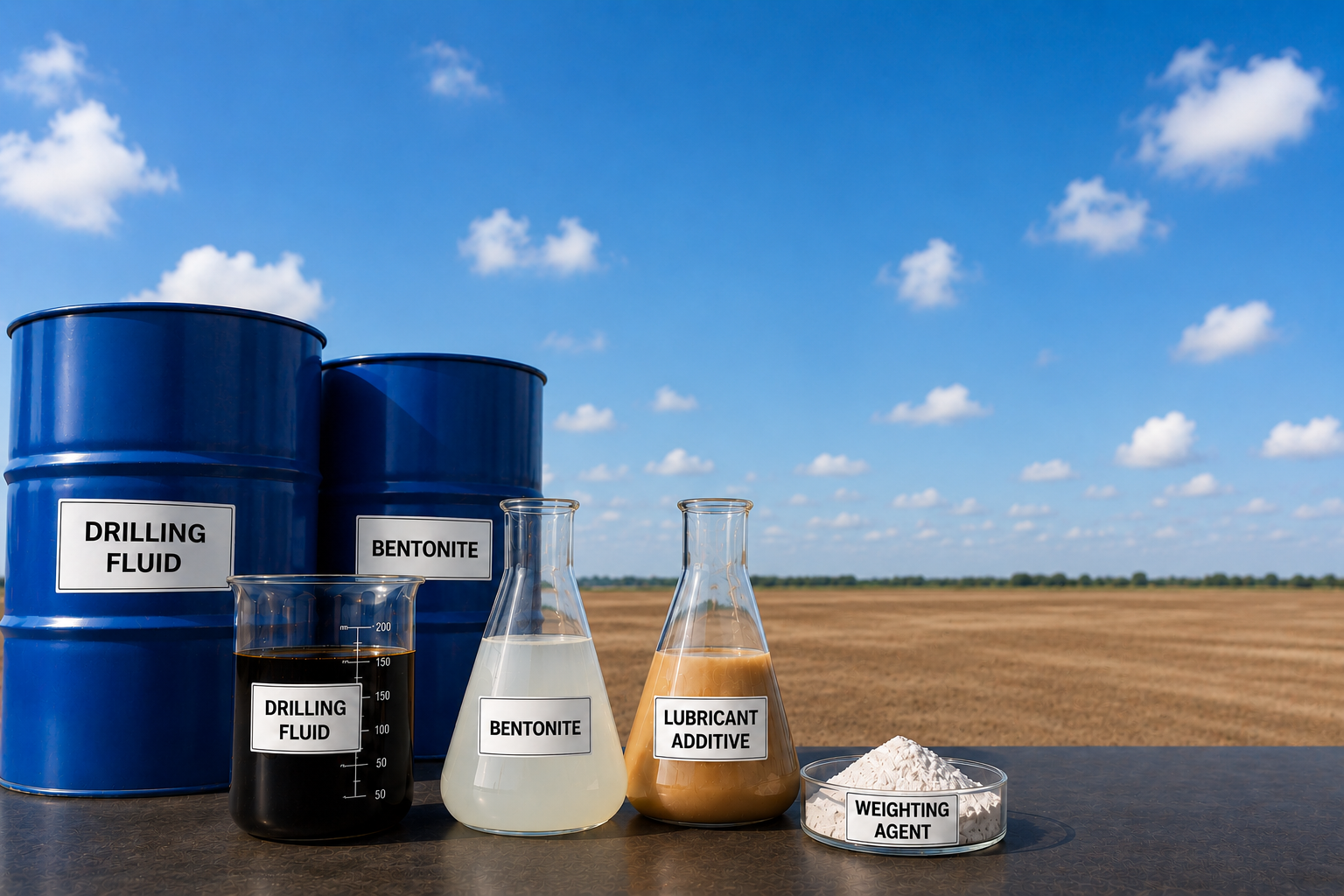
Drilling chemicals are specialized products used to formulate drilling fluids (commonly called drilling mud). These fluids circulate continuously throughout the drilling process, performing several critical functions that make drilling possible.
Drilling chemicals are designed to withstand extreme temperatures, pressures, and geological formations while maintaining the integrity of the well.
Why Are Drilling Chemicals Important?
1. Wellbore Stability
One of the primary functions of drilling chemicals is to stabilize the wellbore. Certain geological formations are prone to collapsing or swelling when exposed during drilling. Properly formulated drilling fluids create a protective filter cake on the wellbore walls, preventing formation instability and reducing the risk of well collapse.
2. Efficient Cuttings Removal
As the drill bit penetrates the earth, it generates rock cuttings that must be transported to the surface. Drilling chemicals help maintain the viscosity of drilling fluids, allowing them to efficiently suspend and carry cuttings away from the drill bit. This improves drilling efficiency and prevents blockages that could slow operations.
3. Cooling and Lubrication
Drill bits operate under intense friction and heat. Drilling chemicals help cool and lubricate the drill bit and drill string, reducing wear and extending equipment life. Improved lubrication also minimizes torque and drag, making drilling smoother and more efficient.
4. Pressure Control
Maintaining proper hydrostatic pressure is essential for preventing dangerous well control incidents such as kicks and blowouts. Drilling chemicals help achieve the correct fluid density required to balance formation pressures while ensuring safe drilling operations.
5. Corrosion Protection
Drilling equipment is constantly exposed to harsh chemical environments. Specialized corrosion inhibitors protect drill pipes, casings, pumps, and other critical equipment from corrosion, reducing maintenance costs and increasing equipment lifespan.
Common Types of Drilling Chemicals
Several categories of drilling chemicals are commonly used depending on the drilling conditions and formation characteristics.
- Viscosifiers – Increase fluid viscosity to improve cuttings transport.
- Fluid Loss Control Additives – Reduce the amount of drilling fluid lost into permeable formations.
- Lubricants – Minimize friction between drilling tools and the wellbore.
- Shale Inhibitors – Prevent shale formations from swelling or disintegrating.
- Weighting Agents – Increase drilling fluid density to control formation pressure.
- pH Control Chemicals – Maintain the desired alkalinity for optimum drilling fluid performance.
- Defoamers – Eliminate excessive foam in drilling fluids.
- Biocides – Prevent bacterial growth that can degrade drilling fluid performance.
Benefits of Using High-Quality Drilling Chemicals
Choosing premium-quality drilling chemicals offers several operational advantages:
- Improved drilling speed and efficiency
- Reduced non-productive time (NPT)
- Enhanced wellbore stability
- Lower maintenance and equipment replacement costs
- Better environmental compliance
- Increased drilling safety
- Improved overall project profitability
High-performance drilling chemicals help operators complete wells faster while reducing operational risks and unexpected downtime.
Why Choosing the Right Chemical Supplier Matters
The effectiveness of drilling chemicals depends not only on the products themselves but also on the expertise of the supplier. A reliable chemical supply partner provides:
- Consistent product quality
- Compliance with international safety and environmental standards
- Reliable inventory and timely delivery
- Technical support for product selection and application
- Customized chemical solutions for specific drilling conditions
Partnering with an experienced supplier ensures uninterrupted operations and improved drilling performance.
Conclusion
Drilling chemicals are a critical component of successful drilling operations. From stabilizing the wellbore and transporting drill cuttings to protecting equipment and controlling formation pressures, these products directly influence operational efficiency, safety, and project success.
As drilling environments become more complex and demanding, investing in high-quality drilling chemicals and partnering with a trusted chemical supplier becomes more important than ever. Companies that prioritize quality chemical solutions position themselves for safer operations, reduced costs, and enhanced productivity.
If your organization is looking for reliable, high-performance drilling chemical solutions backed by dependable supply and technical expertise, partnering with an experienced chemical supplier can make all the difference in achieving operational excellence.